Rubbish collection Watford Junction WD17
Posted on 27/07/2026

Rubbish collection Watford Junction WD17: a practical local guide for homes, landlords, and businesses
If you are dealing with a pile of bags after a clear-out, a broken wardrobe that will not fit in the lift, or renovation debris that is making the hallway feel smaller by the hour, you are probably looking for rubbish collection Watford Junction WD17 that is quick, tidy, and genuinely dependable. That is the real search intent here: not just "someone to take it away", but a service that fits local life around Watford Junction, WD17, without drama. In this guide, we will walk through how rubbish collection works, what to expect, where people often go wrong, and how to choose the right approach for your situation.
One thing worth saying up front: rubbish collection is not all the same. A small bag-and-box pickup for a flat move-out is very different from a builders waste job or a full house clearance. Get the approach right and the day feels calm. Get it wrong, and suddenly everything takes longer than it should. Let's make it simple.
Why rubbish collection Watford Junction WD17 matters
Watford Junction is busy, practical, and always moving. People are commuting, moving home, refurbishing flats, fitting out offices, or trying to get a garden back under control after months of being ignored. In that kind of environment, rubbish does not just sit there politely. It gets in the way. It blocks entrances, creates mess in shared spaces, and can start affecting how a property feels the moment you walk through the door.
For residents, rubbish collection matters because it protects time and sanity. For landlords and agents, it protects presentation and turnaround. For businesses, it helps maintain a professional first impression. And for anyone near WD17, there is a very practical point too: local access, parking, and timing all matter. A collection that is organised well can save you a lot of hassle, especially if you are dealing with a narrow street, a busy block, or limited loading space.
Truth be told, most people wait a bit too long. They think, "I'll sort that next weekend," and then the pile grows legs. Not literally, of course. But you know what I mean.
Expert summary: good rubbish collection is not just about removal; it is about reducing disruption, keeping access clear, protecting safety, and choosing the right disposal route for the type of waste you actually have.
How rubbish collection Watford Junction WD17 works
In simple terms, rubbish collection means a team comes to your property, loads the unwanted items, and takes them away for sorting, reuse, recycling, or disposal. The exact process depends on the type and volume of waste, but the overall flow is usually straightforward.
Typical collection process
- Initial enquiry or assessment: You explain what needs removing. Photos help a lot, especially for mixed waste or bulky items.
- Quote or estimate: The provider confirms likely costs based on volume, item type, labour, and access.
- Collection booking: A convenient time is arranged. For local work, timing matters more than people expect.
- On-site loading: The crew removes the waste, often from inside the property, a front drive, alley, or loading area.
- Sorting and transfer: Items may be separated for recycling, reuse, or disposal.
- Completion and tidy-up: The area is left as clear as possible. Small bits matter. Dust, screws, cardboard scraps - all that.
In practice, the best jobs are the ones where everyone knows what is being removed before the van arrives. That is where a quick message with a few photos can save the awkward, slightly chaotic, "oh, we forgot about the loft" moment.
What kinds of rubbish are commonly collected?
- General household rubbish and bagged waste
- Bulky items such as sofas, wardrobes, beds, and tables
- Furniture from rented flats or offices
- Garden cuttings, branches, and outdoor debris
- Builders waste like timber offcuts, plasterboard, tiles, and packaging
- Office clearance material such as desks, chairs, filing units, and mixed paperwork bins
If you need a broader overview of the available service types, it can help to look at the services overview alongside the local collection options, especially if your waste is mixed rather than neatly categorised.
Key benefits and practical advantages
People usually start by wanting the rubbish gone. Fair enough. But the real value sits in the knock-on effects.
1. It saves time and effort
Manually moving heavy or awkward waste can take longer than expected. A single broken cabinet can turn into two hours of lifting, sorting, and figuring out where it will even fit. A collection service shortens that process dramatically.
2. It reduces stress
Clutter has a strange way of affecting mood. A corridor stacked with old boxes can make a whole place feel unfinished. Once the rubbish is cleared, the room often feels bigger, lighter, and easier to deal with. Small thing, big effect.
3. It supports safer spaces
Loose waste can create trip hazards, obstruct fire exits, and make shared hallways awkward for everyone. In a busy local area like WD17, that is not just annoying; it is a sensible thing to fix quickly.
4. It can improve property presentation
If you are preparing a flat for sale, letting, or photography, a clean space always helps. This is especially true for landlords and owners who want to avoid that "half-finished project" look. If you are in that position, you may also find the guidance on house clearance in Watford useful for bigger clear-outs.
5. It helps you deal with waste responsibly
Not all rubbish should be handled in the same way. Reusable furniture, recyclable packaging, green waste, and construction debris all deserve different treatment where possible. Responsible disposal is part of the job, not an optional extra. If sustainability matters to you, take a look at the site's recycling and sustainability approach.
Who this is for and when it makes sense
Rubbish collection in Watford Junction WD17 is not only for emergency clear-outs. It suits all sorts of everyday situations, some obvious and some less so.
Homeowners and tenants
If you are moving out, doing a reset after years of accumulation, or replacing old furniture, a collection service can clear the backlog quickly. It is especially handy when the council collection timing does not match your deadline. We have all been there - the new sofa arrives tomorrow and the old one still sits in the lounge like a stubborn guest.
Landlords and letting agents
End-of-tenancy waste is one of the most common reasons people ask for fast local collection. Left-behind items, bin bags, broken chairs, and mixed junk can delay re-letting. This is where quick turnaround matters and why a clean handover makes such a difference.
Businesses and offices
Office junk builds up quietly. Old monitors, office chairs, packaging, archive boxes, and broken furniture all collect in the corner until one day the storage room is no longer a storage room. If that sounds familiar, you may want to explore office clearance in Watford as part of your planning.
Builders, renovators, and tradespeople
DIY waste and renovation debris can become messy fast. Plasterboard, timber, tile rubble, and packaging need a sensible removal plan. For those jobs, builders waste solutions are usually more appropriate than general rubbish handling, and the details matter. More on that shortly.
Busy families and downsizers
Sometimes the issue is simply life. A loft full of old toys, storage boxes, and furniture you meant to sort three summers ago can become overwhelming. Rubbish collection makes the project feel manageable again.
Step-by-step guidance
If you want the smoothest possible experience, a little preparation helps. Not much. Just enough to avoid delays and awkward surprises.
Step 1: Identify what actually needs removing
Walk through the space and separate items into broad groups: general rubbish, furniture, garden waste, builders waste, and anything that may need extra care. Mixed piles are normal, but knowing what you have makes the quote more accurate.
Step 2: Decide what stays and what goes
This sounds obvious, yet it is the step people rush. Put a clear marker on anything you are keeping. If an item is borderline, move it away from the pile. One tiny "maybe keep" item can slow everything down later, and nobody enjoys that mid-job confusion.
Step 3: Take a few photos
Wide shots plus close-ups are best. Try to show access points too: stairs, corridors, parking distance, lift access, or any tight turns. The more realistic the photos, the better the quote and planning.
Step 4: Ask the right questions
- What is included in the price?
- Do you handle loading from inside the property?
- Can you take mixed waste?
- How do you deal with recyclable items?
- Are there any items you cannot collect?
- How is access handled if parking is difficult?
Step 5: Prepare the space
Clear a path to the waste if you can do so safely. Move fragile items out of the way. If there are shared areas, let neighbours or building management know where needed. A bit of courtesy goes a long way, especially in flats.
Step 6: Confirm timing and payment details
Before the visit, double-check the booking time, access instructions, and payment method. If you want more detail on the practical side, the page on pricing and quotes is a useful companion read. It helps set expectations early, which is often where things go right or wrong.
Step 7: Do a final walk-through after collection
Once the rubbish is gone, take a minute to check corners, cupboards, under sinks, and the back of storage areas. People forget small bits all the time. A stray lamp shade here, a bag of screws there. It happens.
Expert tips for better results
Here is the part where experience saves you hassle.
Be realistic about volume
Guessing low is a common mistake. A small pile can hide a surprising amount of material once it is actually gathered and loaded. If you are unsure, err on the side of caution and share photos.
Separate reusable items early
Sometimes furniture or fittings are still usable. If you know a chair, shelf, or table has a second life in it, keep it apart from the true waste. That makes sorting easier and can improve recycling outcomes.
Group waste by type where practical
General household waste, green waste, and builders waste are not the same thing. Even if they are all sitting in one place right now, a little grouping can reduce confusion and make the job cleaner.
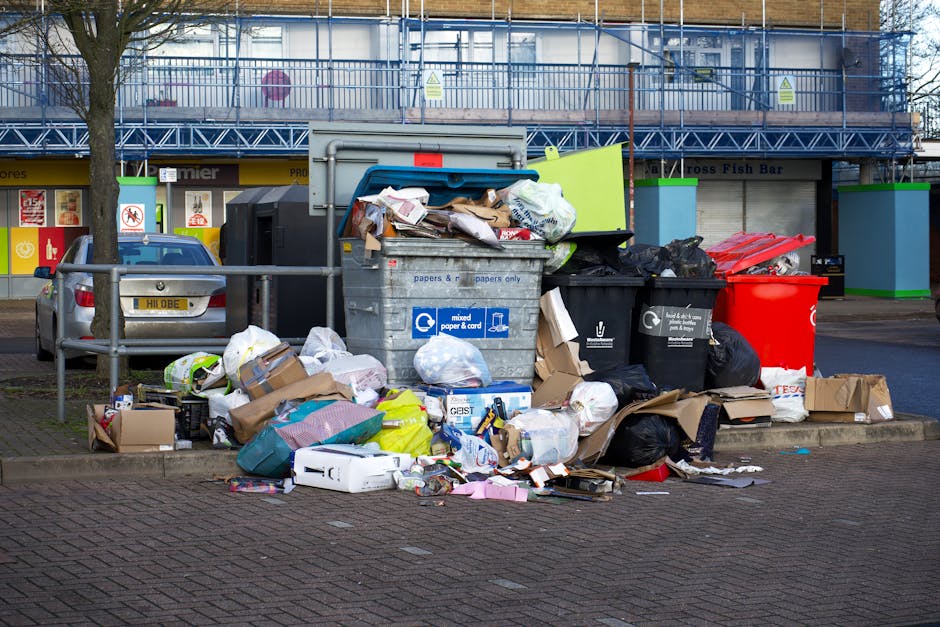
Watch access details
At Watford Junction, access can be the hidden issue. Parking restrictions, shared entrances, and stair-heavy flats all influence how the collection is handled. Mention this early. It sounds minor until it is not.
Use a service that treats safety as standard
Good collection work should include safe lifting, sensible handling, and proper vehicle loading. That is basic professional practice, not a nice-to-have. You can read more about the provider's approach on insurance and safety, which is worth checking whenever a job involves bulky or awkward waste.
Keep the objective simple
Do you need a quick clear-out, or do you want a fully sorted disposal process with recycling emphasis? Knowing your priority helps avoid mismatched expectations. That sounds small, but it matters a lot.

Common mistakes to avoid
Some mistakes are tiny. Some create avoidable expense or delays. Here are the ones we see most often.
- Leaving identification of waste too late: A last-minute rush usually leads to mixed piles and a slower collection.
- Assuming every item is acceptable: Certain waste types may need special handling. Ask first.
- Not checking access: Parking, lifts, door widths, and staircases all matter more than people think.
- Forgetting hidden waste: Loft corners, under-bed storage, sheds, and cupboards are classic blind spots.
- Choosing price alone: Cheap is not always cheap if the job is incomplete or poorly handled.
- Not considering recycling: Some items can be diverted from disposal if sorted properly.
There is also a quieter mistake: trying to do too much yourself when the job is bigger than it first looked. It is admirable, honestly. But there is a point where you are just hauling bags back and forth and making your own weekend disappear.
Tools, resources and recommendations
You do not need a warehouse of equipment to organise waste removal well. A few simple tools help you stay in control.
Useful tools
- Phone camera: For photos and before/after records.
- Labels or tape: To mark what stays and what goes.
- Gloves: Useful if you are sorting through old storage or garden material.
- Strong sacks or boxes: For grouping loose items before collection.
- Measuring tape: Handy if you are trying to estimate bulky furniture or access widths.
Useful service pages to compare needs
If your job is more specific than general rubbish collection, the right page can save you time. For example, garden waste is better matched to garden waste removal in Watford, while bulky household items may be better handled through furniture disposal. For renovation debris, builders waste disposal is the more relevant route.
Good decision-making habits
Always compare what is included, not just the headline price. Check whether the provider handles loading, sorting, and final disposal. Ask how mixed waste is managed. And if you are planning a wider project, the broader waste collection service page can help you see where your job sits in the bigger picture.
Law, compliance, standards, or best practice
When rubbish is being removed professionally, there are a few sensible standards that should always guide the job. You do not need to know the technical side in detail, but you should expect careful handling and lawful disposal.
In the UK, waste must be dealt with responsibly, and professional operators should not just tip everything into one heap and hope for the best. Good practice means sorting where possible, avoiding contamination of recyclables, and keeping an eye on safe loading and transport. If you are a landlord, business owner, or managing a property with multiple occupants, that expectation becomes even more important.
There is also a basic duty of care in plain English: if you hand waste to someone, you should have reasonable confidence that it will be dealt with properly. That is why reputable services talk openly about how they work, what they accept, and what happens next. It is not about being fussy. It is about doing the job properly.
For business customers, keep records of removals where needed and make sure any sensitive material is handled carefully. For home clear-outs, avoid leaving waste in communal areas for too long. In a busy place like WD17, shared spaces can become awkward very quickly. Better to deal with it promptly.
Options, methods, or comparison table
There are usually three main ways people handle rubbish in this area. Each has a place.
| Method | Best for | Pros | Limitations |
|---|---|---|---|
| DIY disposal | Very small, manageable amounts | Full control, no service booking needed | Time-consuming, physically demanding, limited by vehicle access |
| Local rubbish collection | General clear-outs, bulky items, mixed waste | Fast, convenient, less lifting, local access considered | Needs accurate description of waste and access |
| Specialist clearance service | Large, complex, or property-wide jobs | Best for bigger volumes, more organised sorting, less disruption | May be more than you need for a small pile |
If your job is simple, a straightforward collection is usually the sweet spot. If it is bigger than you first thought, specialist clearance becomes much more sensible. No point pretending a mountain is a molehill.
Case study or real-world example
Here is a realistic local scenario. A couple in a WD17 flat near Watford Junction had just finished replacing bedroom furniture and wanted the old bed frame, mattress, wardrobe, and a stack of flattened boxes removed before visitors arrived that weekend. Nothing unusual. But the access was tight, parking was limited, and the lift was small enough to make even a coffee table feel ambitious.
They took a few phone photos, grouped the waste by type, and flagged a narrow stairwell that would need careful loading. The collection was planned around the access problem rather than the other way around. That made the job smoother, quicker, and calmer. No wasted trips. No guessing. No "we thought it would fit" drama.
The useful lesson? The success of rubbish collection is often decided before anyone arrives. A little clarity, a few photos, and honest information about access can make a huge difference. Sounds simple because it is simple, mostly.
Practical checklist
Use this checklist before booking rubbish collection Watford Junction WD17.
- Identify the type of waste: household, furniture, garden, or builders debris
- Separate anything you want to keep
- Take clear photos from different angles
- Note access issues such as stairs, lifts, parking, or narrow hallways
- Check whether items are bulky, heavy, or awkward
- Ask what is included in the quote
- Confirm the collection time and any arrival window
- Prepare shared areas if you live in a flat or managed property
- Remove fragile items from the path
- Do a final sweep after the collection is complete
If you want a broader sense of the company and how it works, the about us page is a helpful place to understand the approach behind the service. And if you are just comparing options before making a move, the page on pricing and quotes can help you think more clearly about value, not just cost.
Conclusion
Rubbish collection in Watford Junction WD17 is at its best when it is simple, local, and well planned. Whether you are clearing one bulky item, sorting a flat after a move, or making space in a busy office, the right collection approach saves time and avoids unnecessary stress. The details matter: access, waste type, sorting, and timing all shape the result.
To be fair, most people do not need a complicated plan. They need clear information, a realistic assessment of what is being removed, and a service that turns up ready to get on with it. That alone solves a lot.
Get a free quote today and see how much you can save.
And if you are standing there looking at the pile thinking, "I'll deal with that later," maybe now is the moment to let later arrive a little sooner. It's a small win, but a proper one.
 Tipper Van - Rubbish Removal and House Waste Removal Prices in Watford, WD1
 Luton Van - Rubbish Removal and House Waste Removal Prices in Watford, WD1


